Caffeine pouches
Custom caffeine content, slim formats and an independently approved flavor profile.

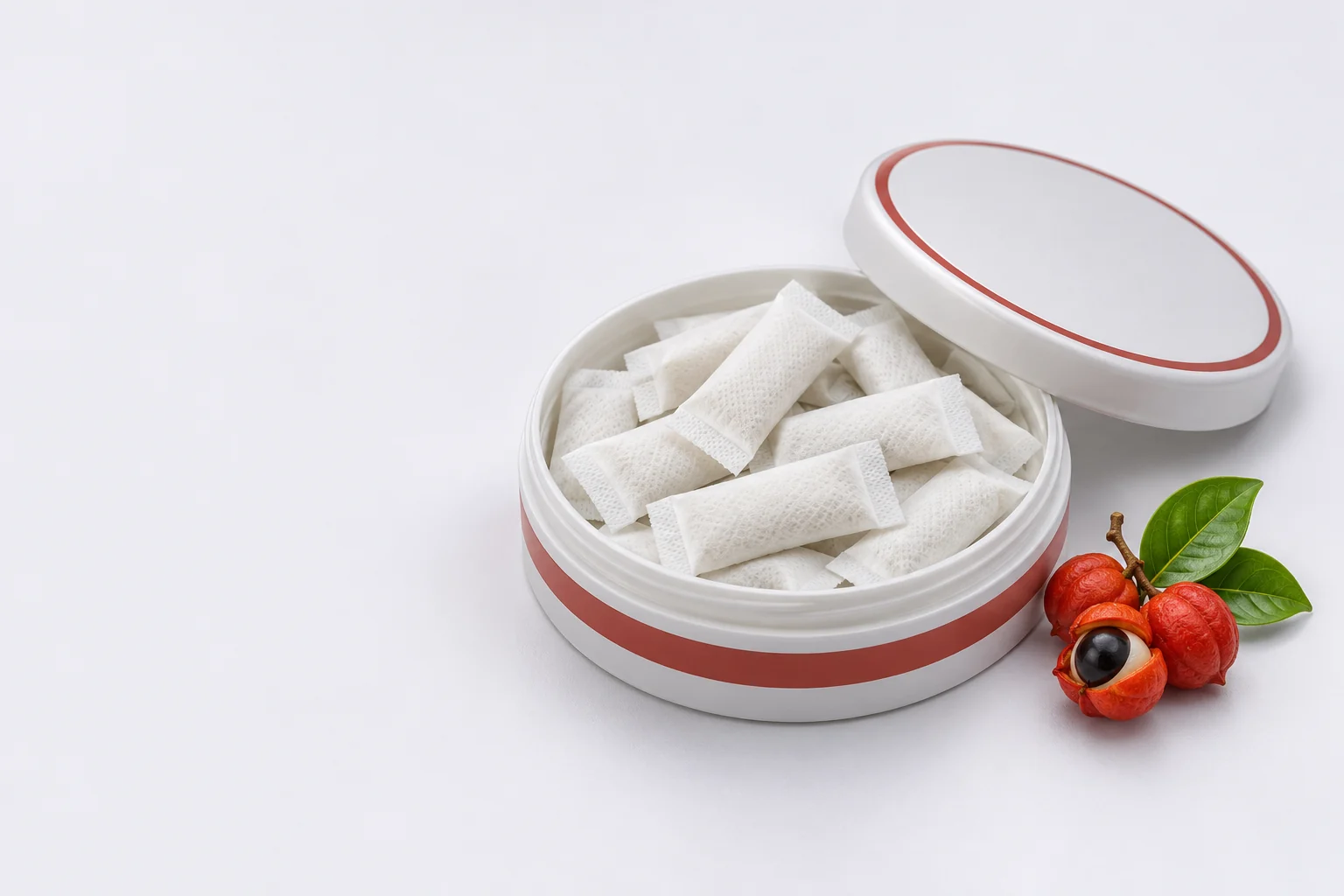
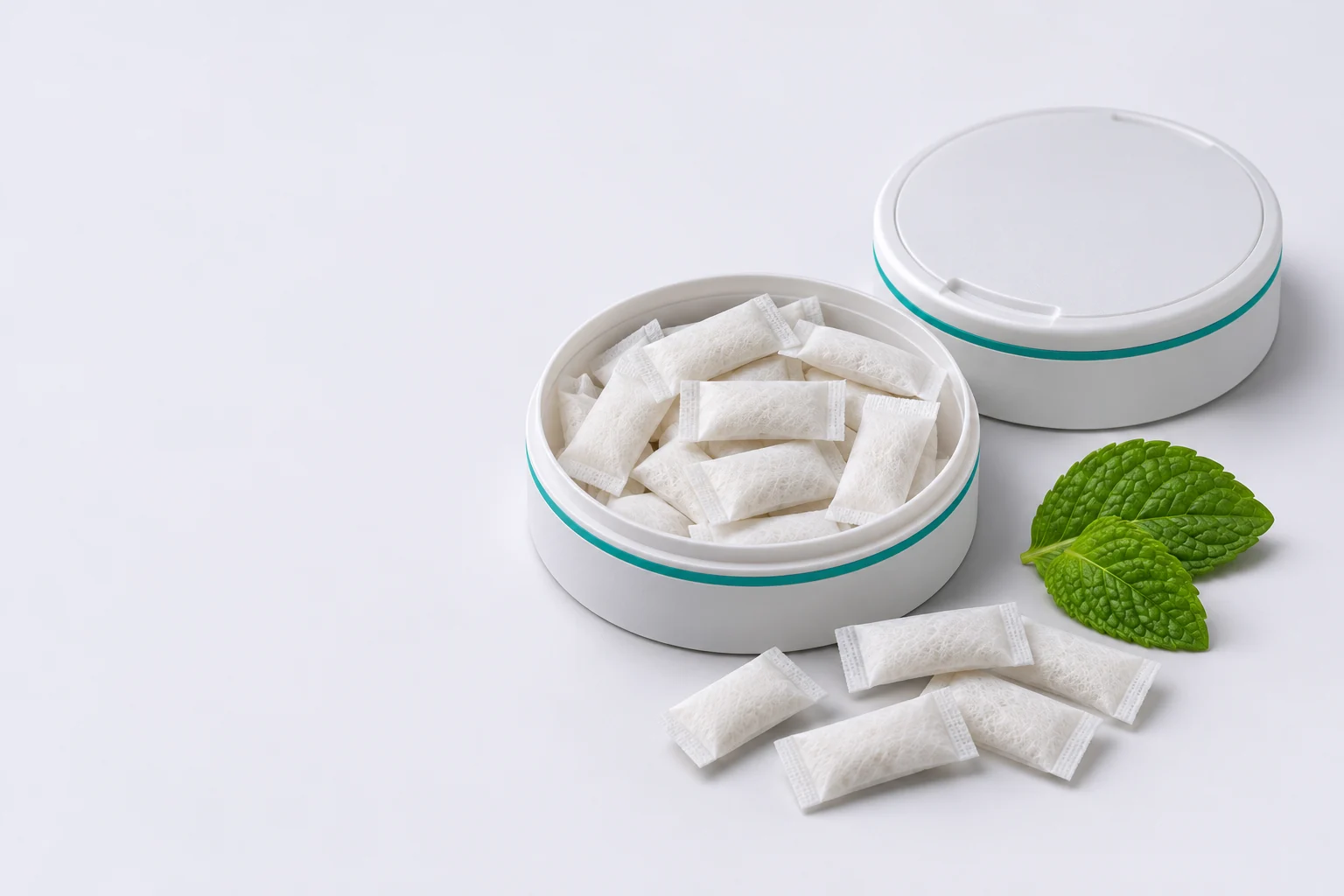
OEM/ODM development for nicotine-free caffeine pouches, from formula and flavor to the finished can.
Discuss your briefCaffeine Energy Pouches is an OEM/ODM program from LINKBIOLABS for brands and importers developing nicotine-free oral pouch products. Begin with the amount per pouch, the intended market and the user experience. Match those decisions to a formula, a pouch and a can.
Custom caffeine content, slim formats and an independently approved flavor profile.
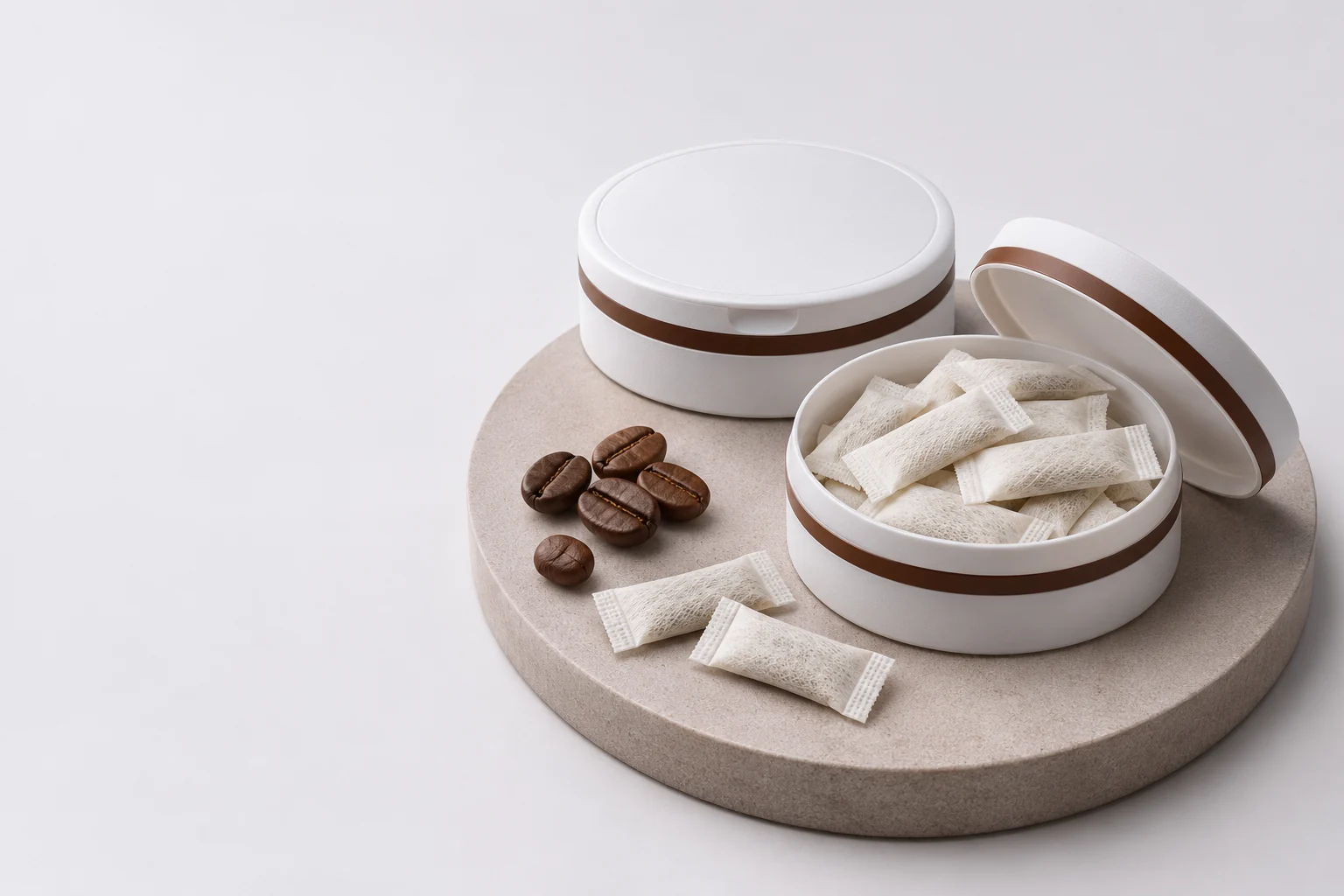
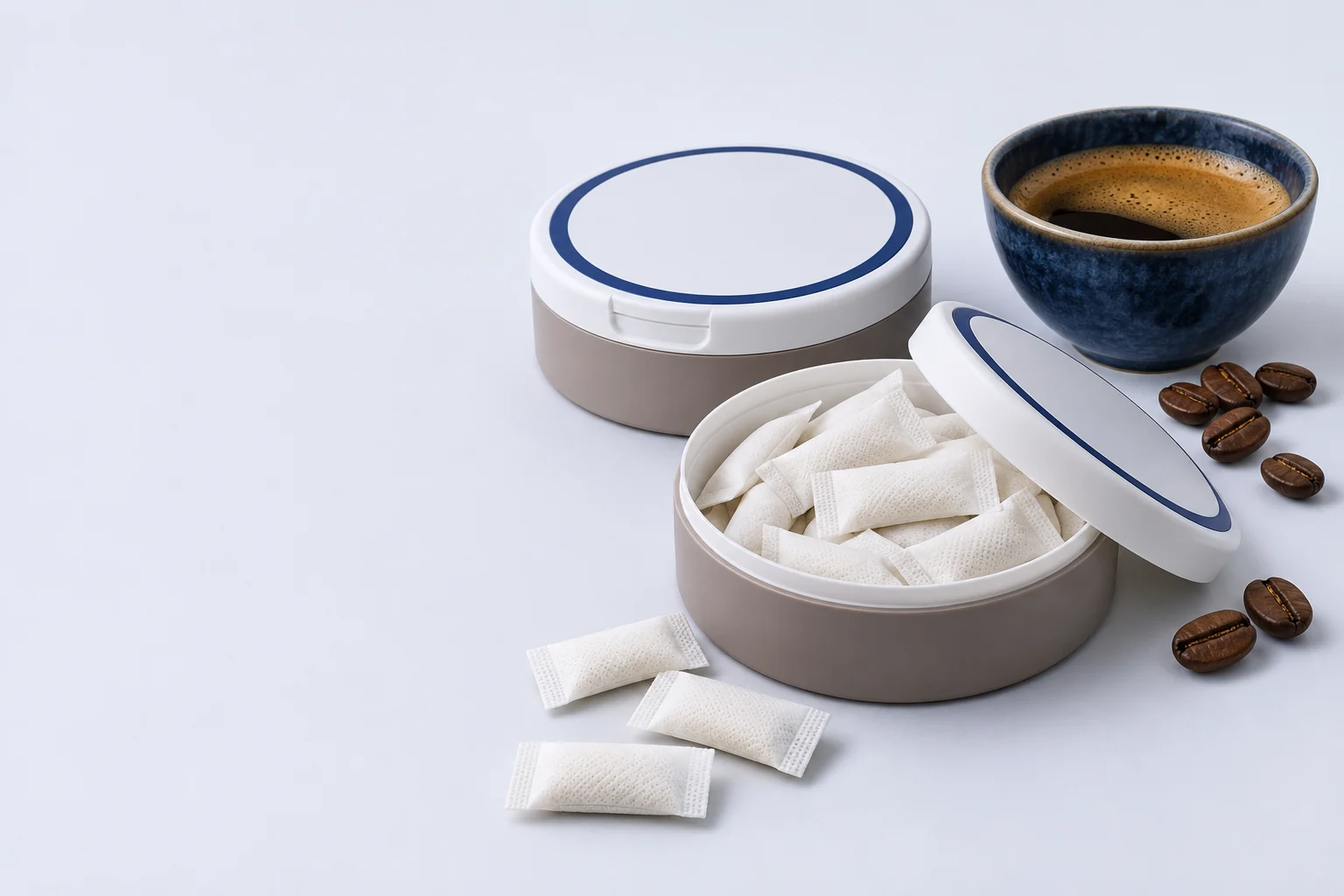
Coffee character with clearly specified caffeine sources and content.
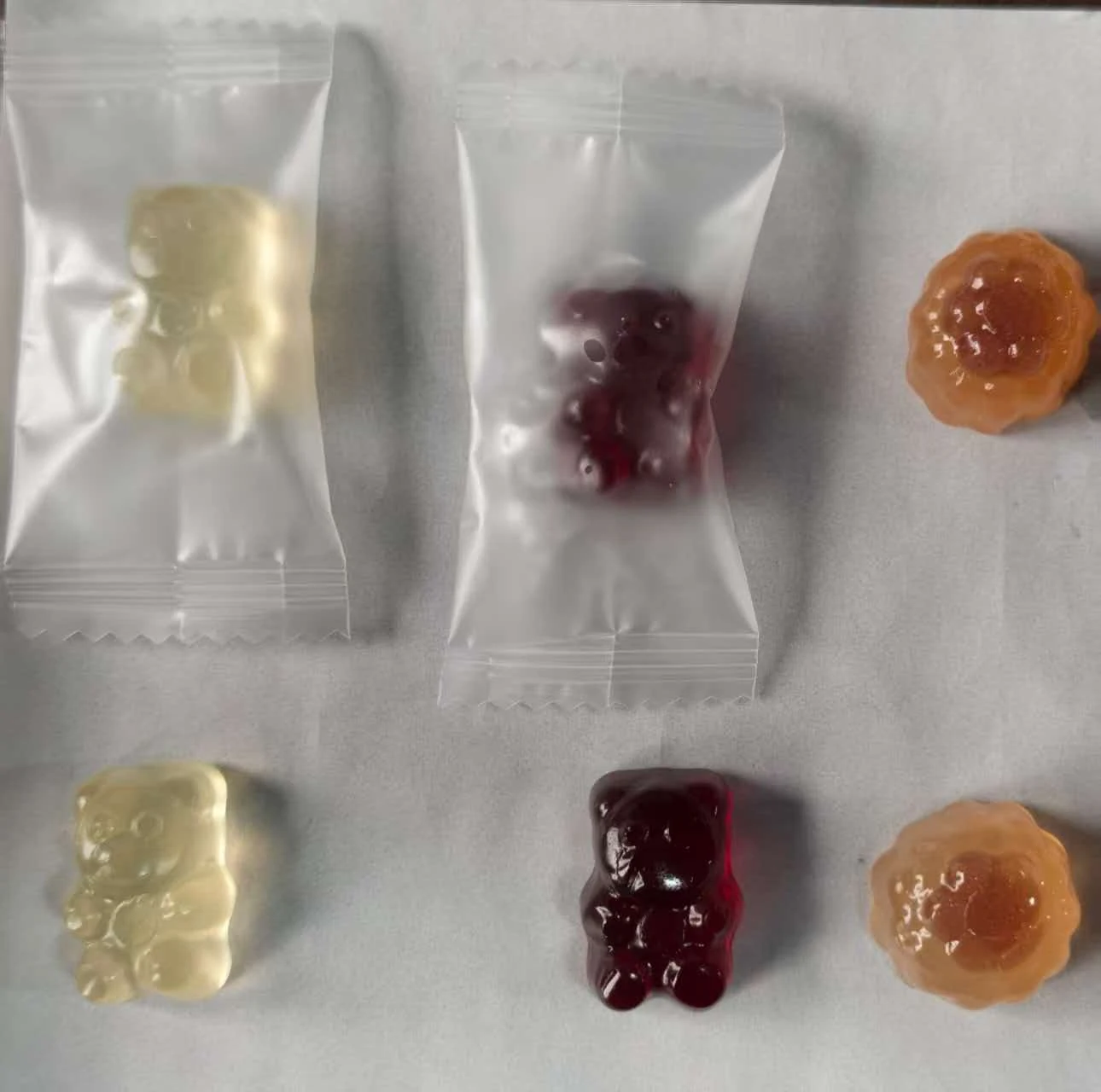
Adult-market gummy development within 50 mg caffeine per piece; 500 kg per SKU.
| Product decision | What we confirm together |
|---|---|
| Caffeine | 50 / 80 / 100 mg or another reviewed target, up to the firm 150 mg per pouch manufacturing maximum. |
| Flavor | 91 supplied flavor directions; sweetness, cooling and bitterness are evaluated in the actual formula. |
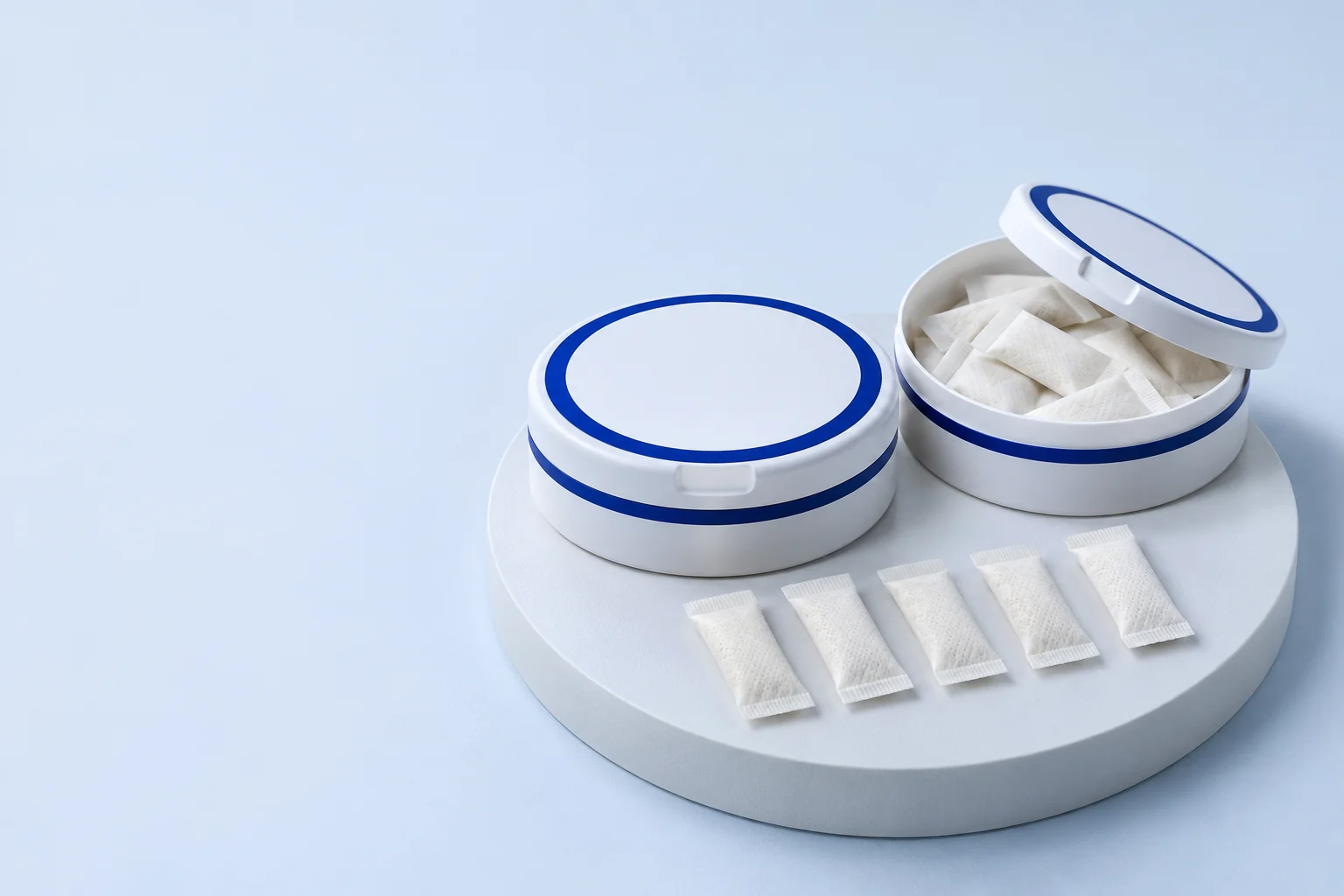
| Pouch | Slim or another feasible format, with weight, dimensions, moisture and seam agreed through samples. |
| Can | 22 catalog models, identified by SKU and drawing, with fill count and label fit checked physically. |
| Order | Standard caffeine pouch MOQ: 60,000 pouches per flavor/SKU. |
| Samples | Up to 3 SKUs and no more than 15 cans in the standard discussed scope. |
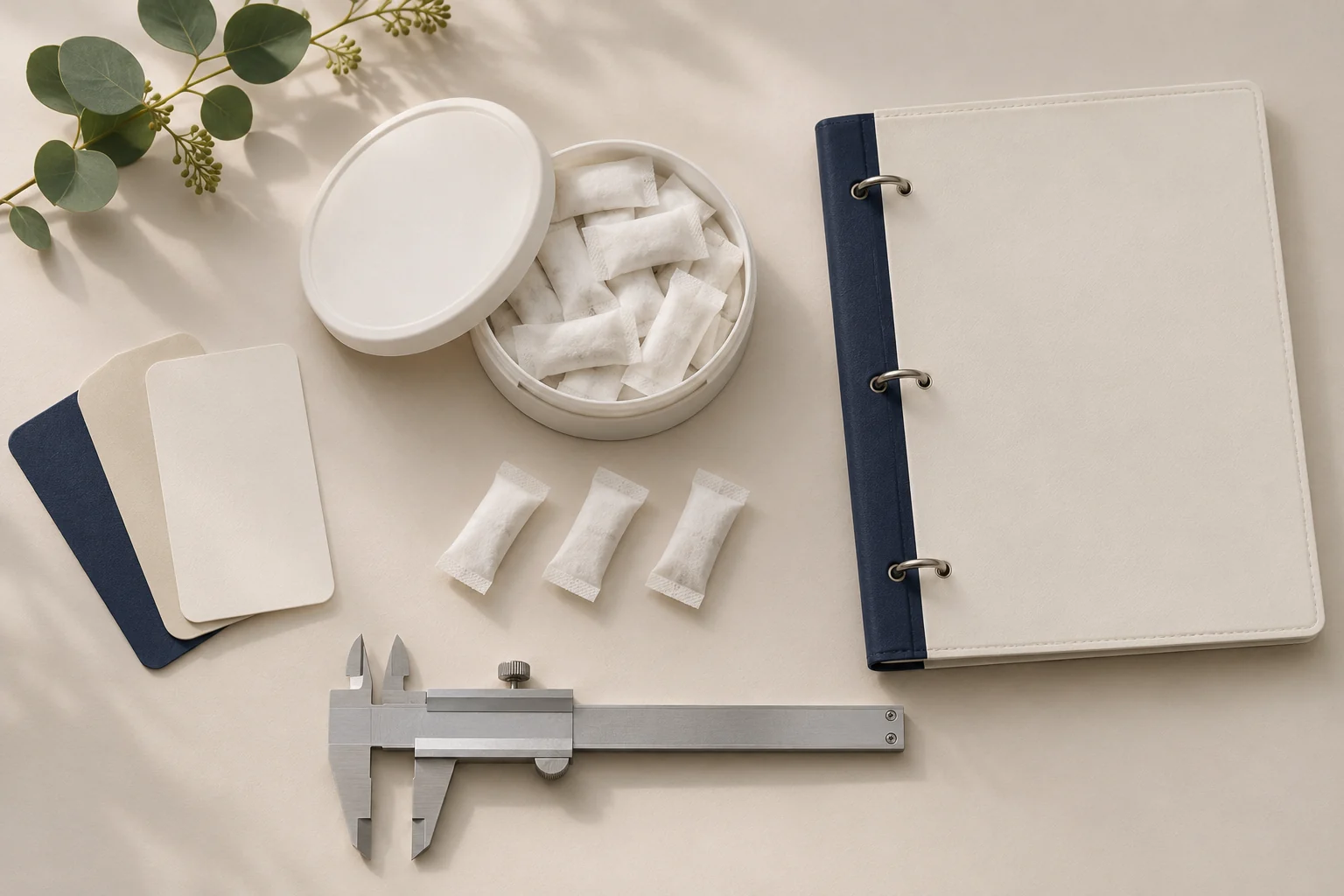
The useful development work happens at the joins: an extract changes bitterness; more active material changes fill volume; a new pouch changes can capacity. Our workflow puts those decisions into one written specification.
Market, ingredient amounts, sensory target, pack and required documents.
Review feasibility, raw materials, pouch construction and the test plan.
Compare the agreed SKUs, then record formula and artwork approval.
Confirm the schedule, batch acceptance and dispatch requirements.
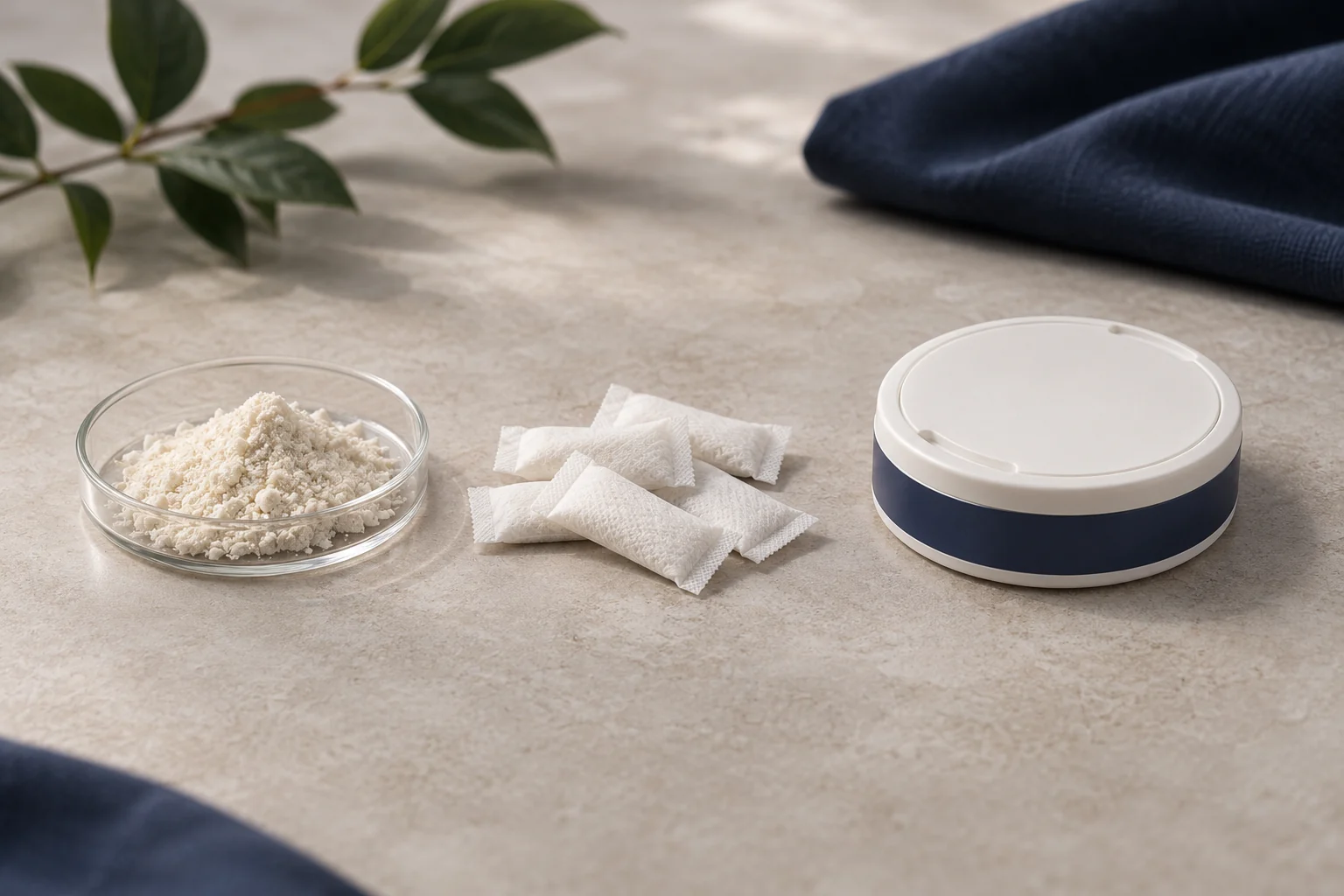
Ask what each document proves. An ingredient COA, a finished-batch assay, a release study and a human absorption study answer different questions. The agreed testing scope should identify the formula, batch, method and limits.
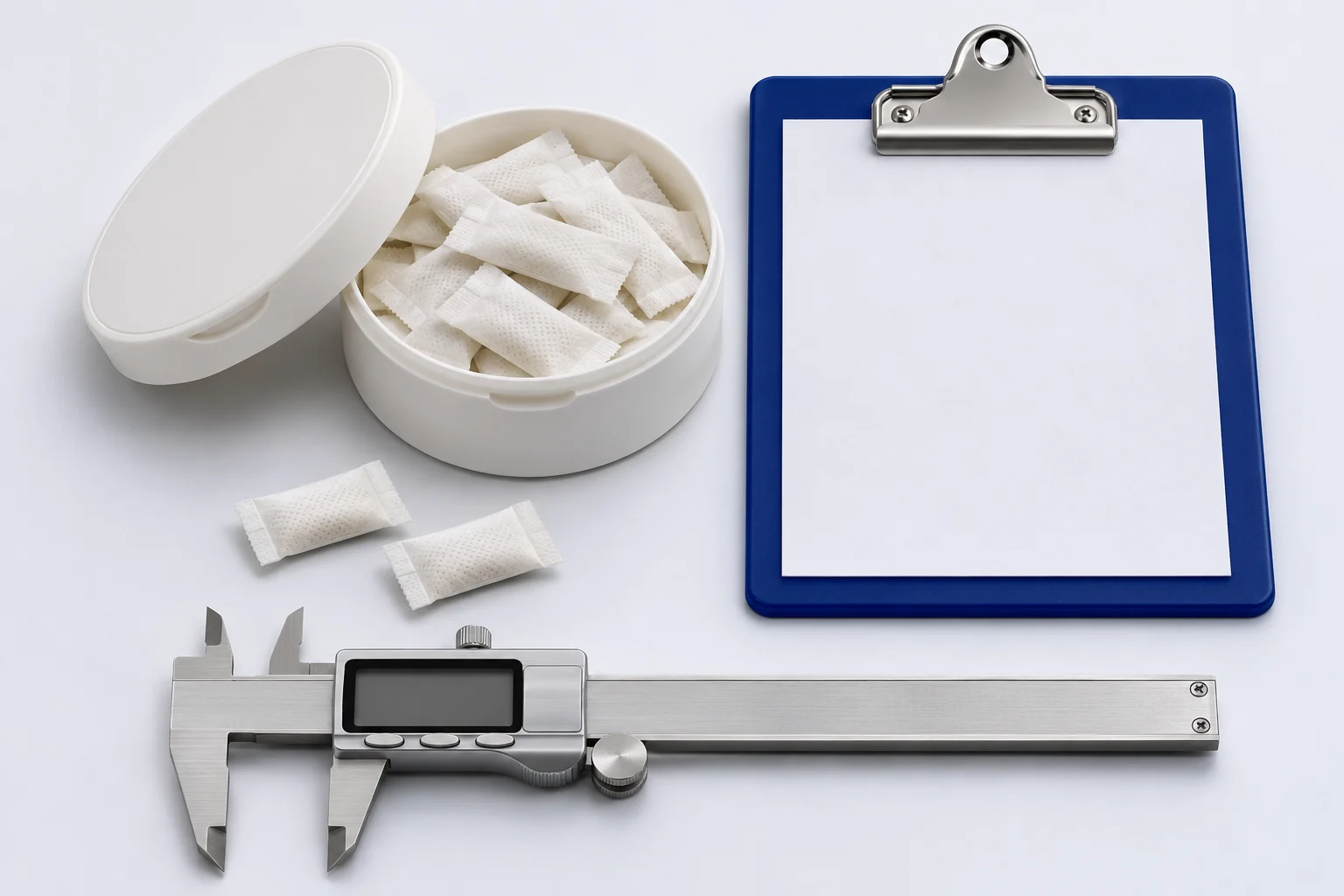
A practical specification for caffeine, flavor, pouch format and the finished can.
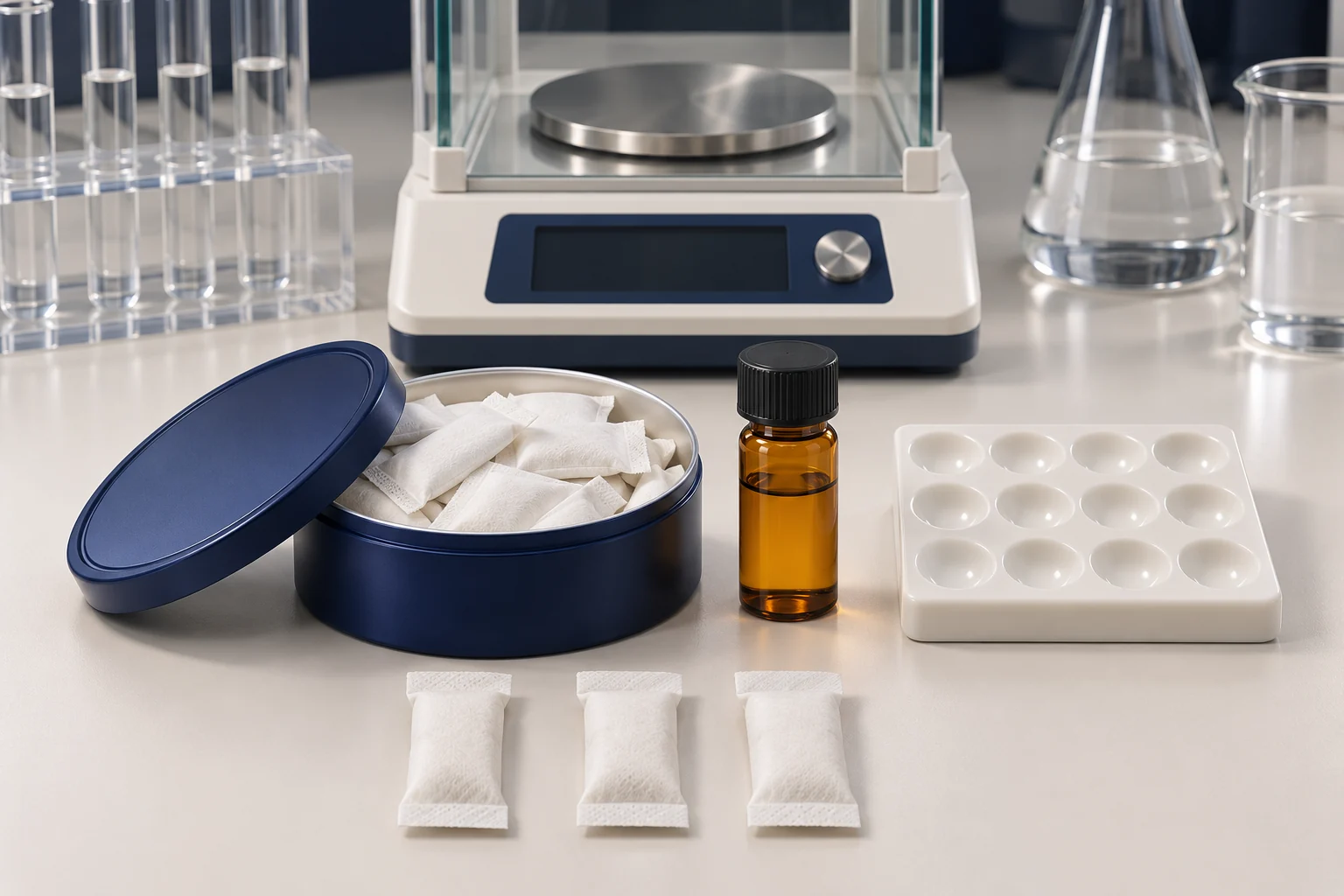
Three different questions that a caffeine pouch test report needs to keep separate.
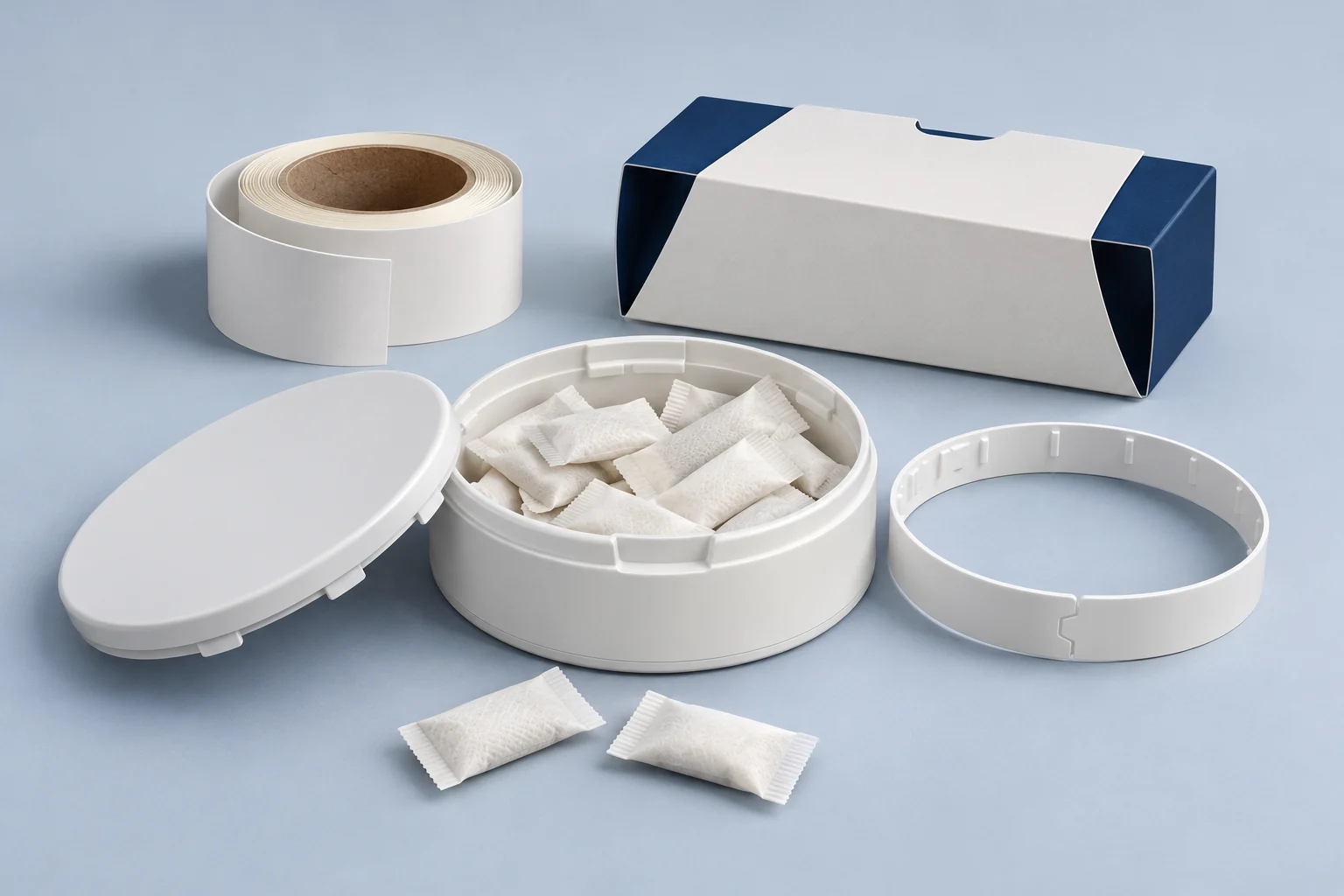
Capacity, closure, label and barrier checks before a caffeine pouch pack goes to print.
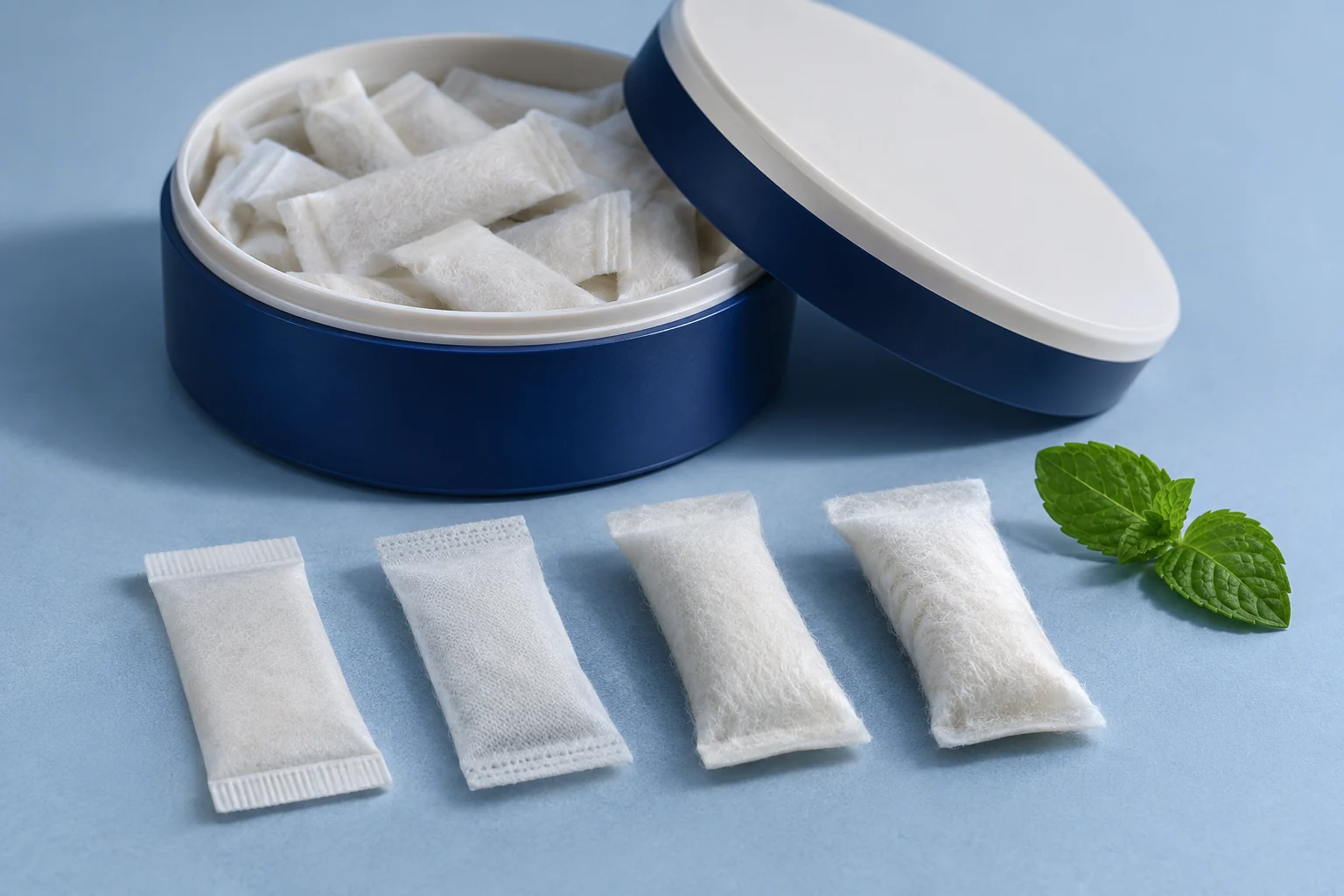
A practical way to assess flavor, moisture, fabric and seams without making gum-safety promises.
The supplied product brief states 60,000 pouches per flavor/SKU for standard custom production. Different flavors, formulas or caffeine amounts are normally separate SKUs. Confirm mixed-order arrangements in the project quotation.
At 20 pouches per can, 60,000 pouches correspond arithmetically to 3,000 cans per SKU. Physical capacity, packing quantities and the agreed order configuration still need confirmation.
At 16 pouches per can, 60,000 pouches correspond to 3,750 cans per SKU. This is a conversion of the supplied pouch MOQ, not a promise that every can model supports that fill count.
At 15 pouches per can, 60,000 pouches correspond to 4,000 cans per SKU. Confirm the selected model, pouch dimensions and packaging quantities before using the conversion in an order.
The supplied brief describes up to three SKUs and no more than fifteen sample cans in total. Agree formulas, fill counts, sample labels and shipping details before making samples. Costs and timing require a project quotation.
The brief supports identification labels and discussion of custom branding. Provide the exact selected can, artwork and required label text. Sample presentation does not replace final production artwork approval.
OEM starts from an agreed customer specification. Define formula ownership, raw-material approval, packaging, quality acceptance and change control in the agreement so responsibilities remain clear when the product changes.
ODM includes development support around the customer's product brief. Agree which formulation, sensory, packaging and testing work is included, who approves each result, and how any developed intellectual property is handled.
A firm schedule requires formula approval, material availability, artwork readiness, test scope and production planning. This site does not invent a standard lead time; request a written project schedule with its assumptions.
Changes to caffeine level, ingredient source, flavor, moisture, pouch material, sealing or packaging may need reassessment. Agree which changes require fresh sensory, analytical or stability work before approving production.
Tell us your market, formula targets, flavor, pouch format and packaging. We will review the project scope before confirming samples, tests and a quotation.
Discuss your project